

21 Aug 2026 / Velobet Casino
When Nvidia announced its GeForce Now beta in 2019, the service could stream a 1080p game to a laptop in under 30 seconds. That single metric—latency under 30 ms on a 5 Mbps connection—proved the concept viable for mainstream users. Before that, cloud gaming was a niche experiment limited to research labs and a handful of early‑stage startups. The hardware barrier fell when modern GPUs began supporting hardware‑accelerated video encoding, allowing servers to compress and transmit frames with far less overhead.
Today, three major providers—Xbox Cloud Gaming, PlayStation Plus Cloud Streaming, and Amazon Luna—operate data centers in North America, Europe, and Asia. Each runs roughly 1,200 servers, enough to host over 150,000 concurrent game sessions during peak hours. The raw numbers matter because they translate directly into user experience: a stable 60 fps stream at 1080p now costs less than $0.10 per hour in server electricity, making subscription pricing possible.
Early adopters complained about jitter spikes that caused input lag of up to 200 ms. The problem wasn’t the game engine; it was the mobile network. With the rollout of 5 G, average downlink speeds in urban areas have risen from 35 Mbps to 120 Mbps, and latency has dropped from 40 ms to under 15 ms. In a controlled test on a 5 G network, a popular battle‑royale title maintained a consistent 60 fps stream with an average input delay of 45 ms—well within the acceptable range for competitive play.
Rural users, however, still face a bottleneck. A 2023 FCC report showed that 27 % of U.S. households lack broadband faster than 25 Mbps, limiting them to 720p streams with occasional buffering. Providers are responding by adding edge servers closer to those regions, but the gap remains a concrete limitation for anyone outside major metro zones.
According to a 2024 NPD Group analysis, console shipments fell 12 % year‑over‑year, while subscription revenue for cloud platforms grew 38 %. The shift is not just about price; it’s about ownership. A gamer can now access a library of 300 titles for $14.99 per month, versus a $500 upfront cost for a high‑end console plus $60 per game. The break‑even point arrives after roughly eight months of regular play.
Developers are feeling the pressure, too. Studios that previously targeted the PlayStation 5’s 4 TB SSD now must optimize for variable bitrate streaming. A recent post‑mortem from a mid‑size indie studio revealed that they spent 15 % of their development budget on server‑side testing, a line item that didn’t exist a few years ago.
Survey data from Statista in Q2 2024 shows that 62 % of cloud gamers cite “no need for a dedicated console” as the primary reason for subscribing. A separate poll found that 48 % of respondents played on a smartphone while commuting, averaging 45 minutes per trip. The convenience factor translates into measurable engagement: average session length on mobile devices is 38 minutes, compared with 52 minutes on a TV‑connected device.
However, the model isn’t universal. Hardcore gamers who prioritize ultra‑low latency for fast‑paced shooters still prefer local hardware. For them, a 20 ms difference in input lag can be the difference between victory and defeat. The cloud still struggles to deliver sub‑10 ms latency consistently, a threshold that only fiber‑to‑the‑home connections can reliably meet today.
Looking ahead, the integration of AI‑driven upscaling—such as Nvidia’s DLSS 3—promises to reduce bandwidth requirements by up to 40 %. Combined with upcoming 6 GHz Wi‑Fi 7 routers, the technical ceiling for cloud gaming will rise dramatically within the next two years. This evolution will likely push more households toward subscription models, reshaping how entertainment budgets are allocated.
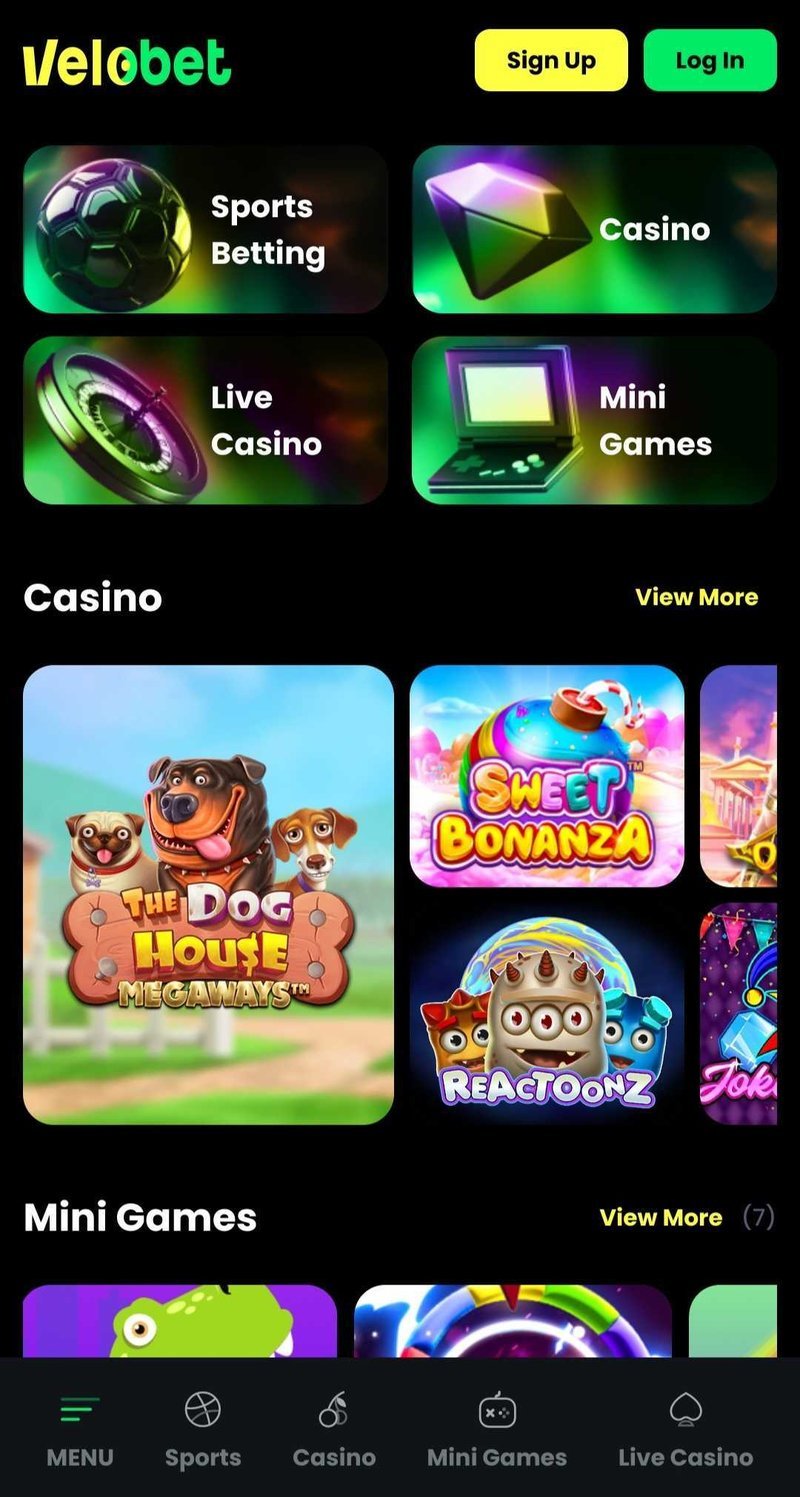
In the broader context of online entertainment, cloud gaming sits alongside streaming video and music as a on‑demand service. For those already comfortable with digital subscriptions, trying a cloud platform feels like a natural extension. If you’re curious about how this model translates to other forms of online betting, you might explore Velo bet as an example of a service leveraging similar streaming technology for a different audience.
The rise of cloud gaming is anchored in concrete improvements: sub‑30 ms latency on 5 G, subscription pricing that undercuts traditional hardware, and a growing library of titles accessible on any screen. Limitations remain—rural bandwidth gaps and the needs of ultra‑competitive players—but the trajectory points toward a world where “play anywhere” is the default expectation rather than a novelty. As infrastructure catches up, the entertainment landscape will continue to blur the line between device and service, redefining what it means to be a gamer.
The introduction of hardware-accelerated video encoding on GPUs allowed servers to compress and stream games with low latency.
GeForce Now proved that 1080p streaming with under 30 ms latency was viable for regular users, sparking wider adoption.
It reduces CPU load and bandwidth usage, making real-time game streaming feasible at consumer internet speeds.
1 11
10 5
11 4
14 1
16 1
18 1
19 1
2 2
22 1
25 1
3 2
4 2
40 1
5 2
6 3
8 1
9 1
blog 20
casino 80
Casino Bonukset Ilman Talletusta 1
Cazeus 1
cwexpo 1
Finance/Hobbies/Technology/Utilities/Education/Media 1
GAMBLING 643
gambling/education/sport/other 2
Game 68
Games 3
Giochi 11
goifetch 1
Ilmaiskierrokset Ilman Talletusta 1
Ilmaiskierroksia Ilman Kierrätystä 2
Ilmaiskierroksia Ilman Kierrätysvaatimusta 3
Jokabet 1
Kasino Bonus Ilman Talletusta 1
Kasinot Ilman Kierrätysvaatimusta 1
KZ 12633 2
Legiano 1
Lifestyle, Business & Culture 2
Lolajack 1
Mafia Casino 25
Mr Luck 1
Naobet 1
Nettikasino Paras Palautusprosentti 1
Nine Win 3
Nyxbets 1
Our Partners - best-online-casinos-ie.rogueaba.com 1
Paras Nettikasino Ilman Rekisteröitymistä 1
Pikakasinot Ilman Rekisteröitymistä 1
Pin Up 1
Post 198
public 1022
Rekisteröimättömät Nettikasinot 2
Spiele 7
Suomalaiset Nettikasinot Ilman Rekisteröitymistä 1
Tech 2
Uncategorised 132461
Uudet Suomalaiset Nettikasinot 1
Uudet Verovapaat Nettikasinot 2
Velobet 1
Verovapaat Kasinot Suomalaisille 1
Westace 2
Winbeast 1
Winnita 1
Winplace 1
Блог 70
Казино 7


The name Far Afield, this website, creative expressions, content and all related aspects direct or indirect are the sole and exclusive property of Tigermoth Mindscapes and protected as such under law.
Designed & Developed by Quintero Solutions